
Shoulder Instability
Home > Treatments > Shoulder Instability
Shoulder Instability
Causes & Treatment
Dr. Balamurugan J is a senior orthopedic surgeon and Clinical Lead – Orthopedics at Kauvery Hospital, Radial Road, and Founder of Dr Bala’s Ortho Clinic. With over 15 years of experience, he specializes in joint replacement, arthroscopy, and complex trauma care. Trained in India and further specialized in the United Kingdom, he brings international standards of precision and patient-focused care to his practice.
A Gold Medalist in Orthopedics with several indexed publications, he is committed to evidence-based, ethical, and outcome-focused care, helping patients restore mobility, independence, and quality of life.
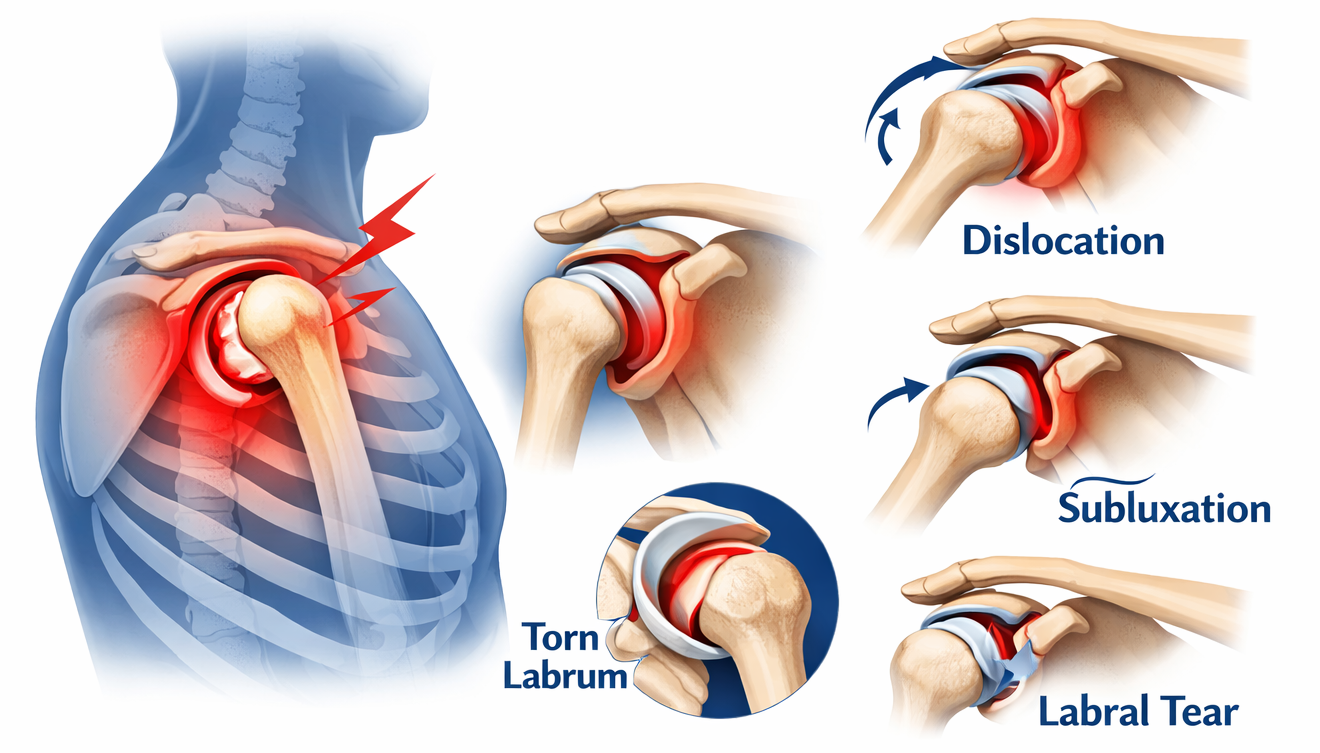
Does your shoulder feel like it’s slipping out or giving way?
Recurrent shoulder dislocations are not just painful—they can affect your confidence, performance, and daily activities.
At Dr. Balamurugan’s Hip & Knee Clinic, we specialize in diagnosing and treating shoulder instability with advanced, minimally invasive techniques—helping you return safely to an active lifestyle.
The shoulder is a ball-and-socket joint designed for maximum mobility. However, this flexibility also makes it more prone to instability.
Shoulder instability occurs when the supporting structures—ligaments, labrum, and muscles—are damaged or stretched, causing the joint to slip out of place (dislocation or subluxation).
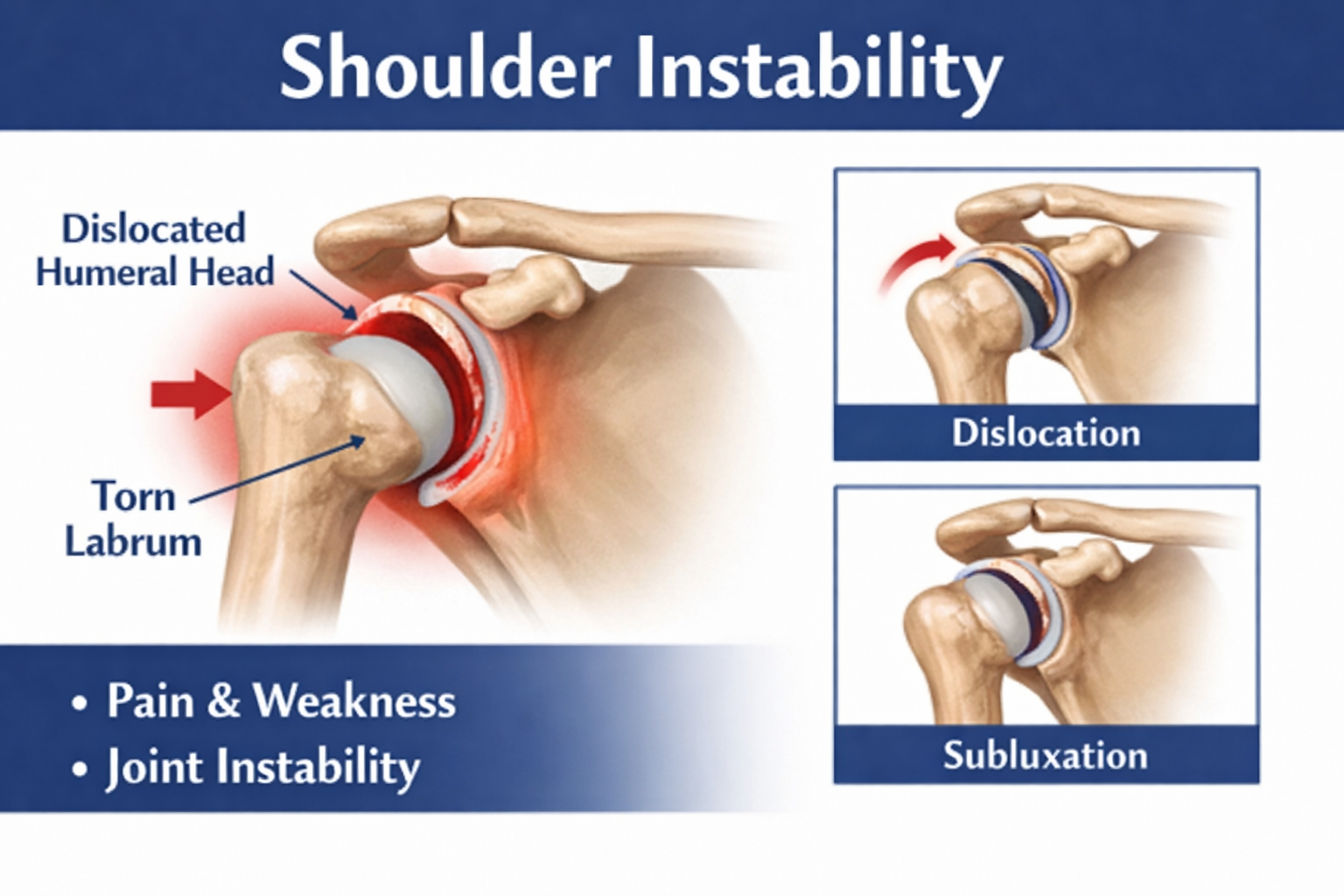
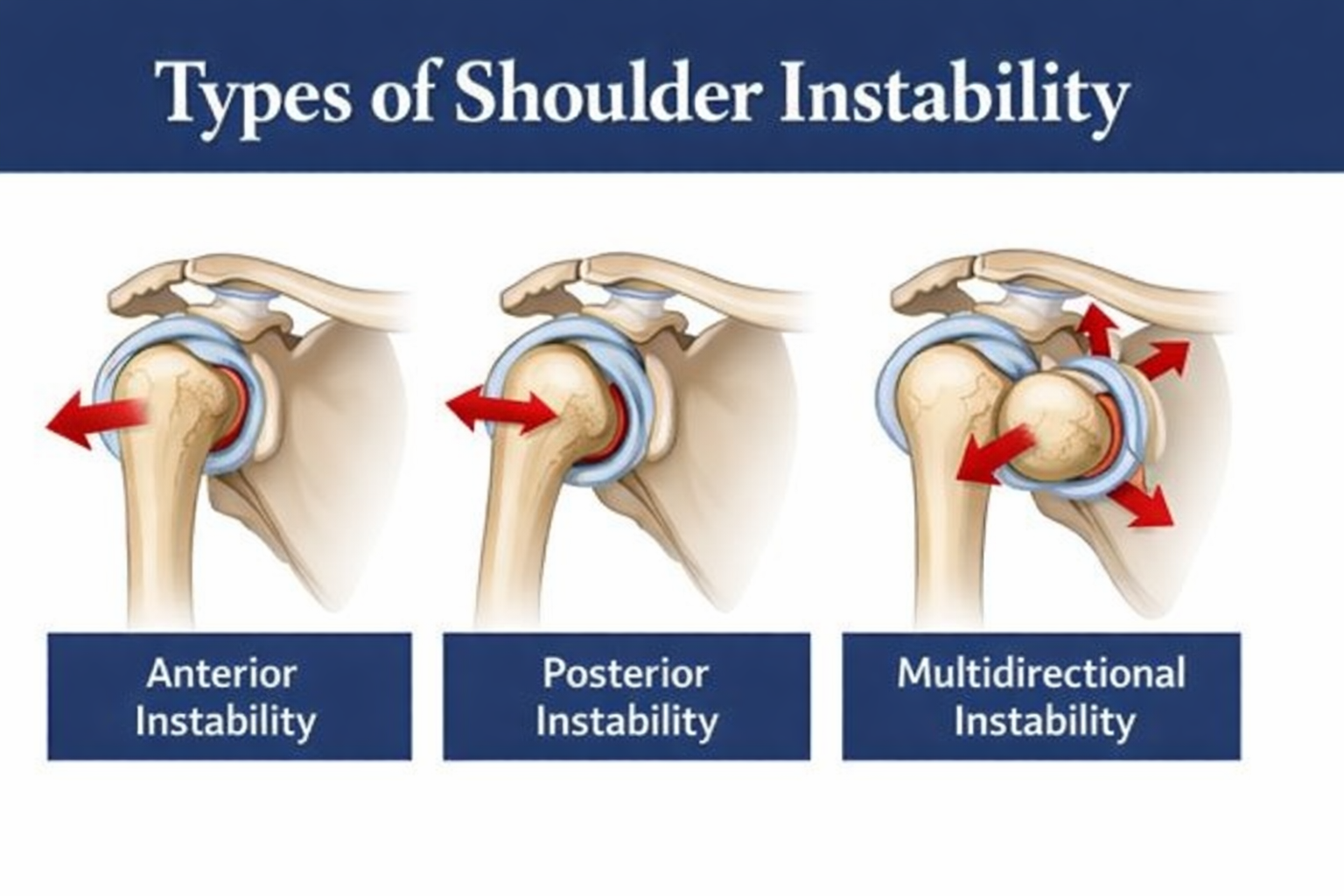
Types of Shoulder Instability
Traumatic Instability
- Caused by injury or fall
- Often results in a first-time dislocation
- Common in young individuals
- Repeated dislocations
- Persistent feeling of looseness
- Shoulder may “give way” during activity
- Looseness in multiple directions
- Often seen in naturally flexible individuals
Special tests to assess instability and joint looseness.
Imaging
- X-rays – Detect dislocation or bone injury
- MRI Scan – Evaluate ligaments, labrum, and soft tissue damage
Symptoms
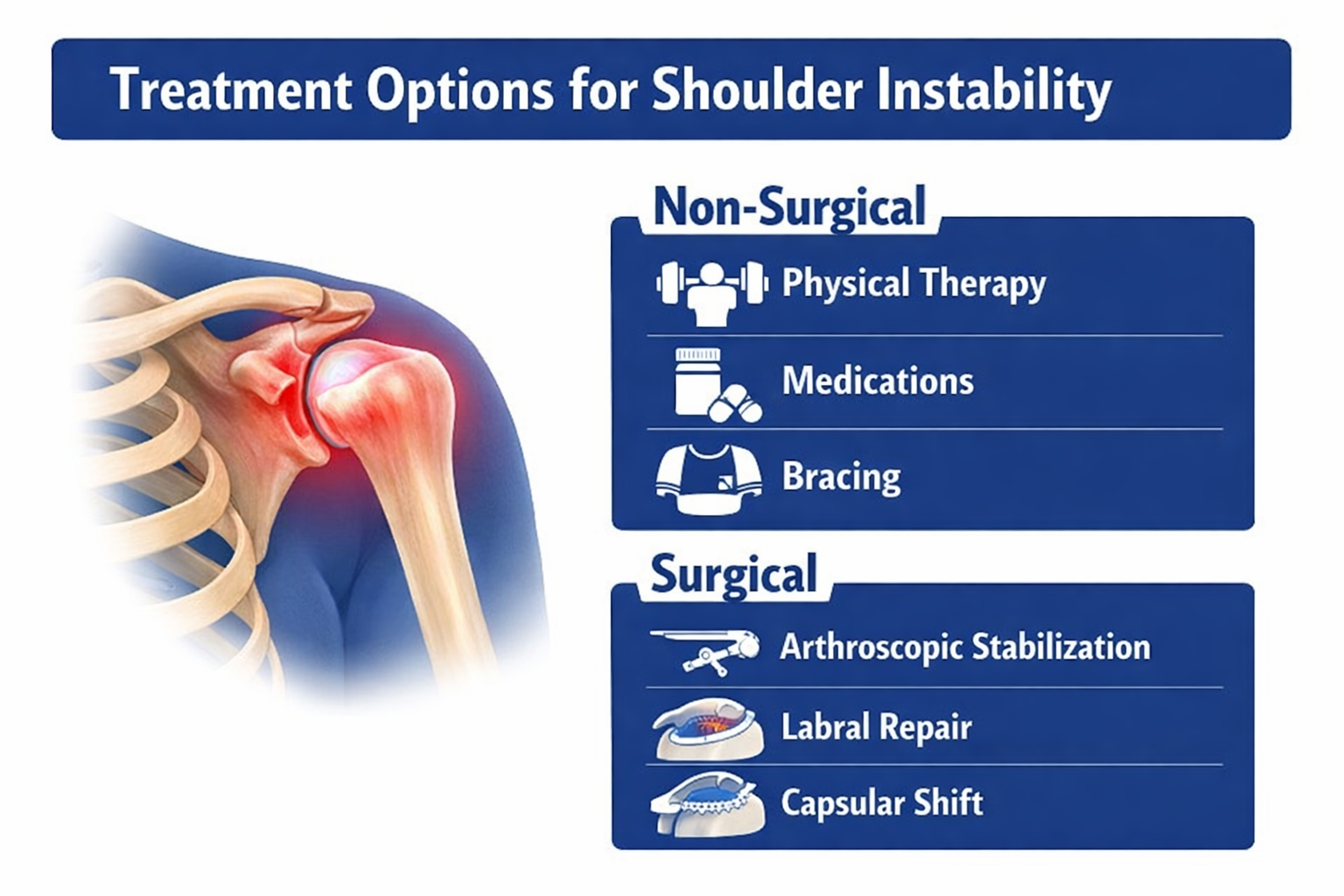
Treatment depends on:
- Age
- Activity level
- Number of dislocations
- Severity of injury
Includes
- Short-term immobilization
- Physiotherapy
- Muscle strengthening
- Activity modification
Best for:
- First-time dislocation
- Mild instability
- Low-demand patients
Recommended for:
- Recurrent dislocations
- Young, active individuals
- Significant ligament/labral injury
- Failed non-surgical treatment
Arthroscopic Shoulder Stabilization
- Minimally invasive (keyhole) surgery
- Repair of torn labrum
- Tightening of ligaments
- Restoration of joint stability
- Smaller incisions
- Less pain
- Faster recovery
- Lower recurrence rate
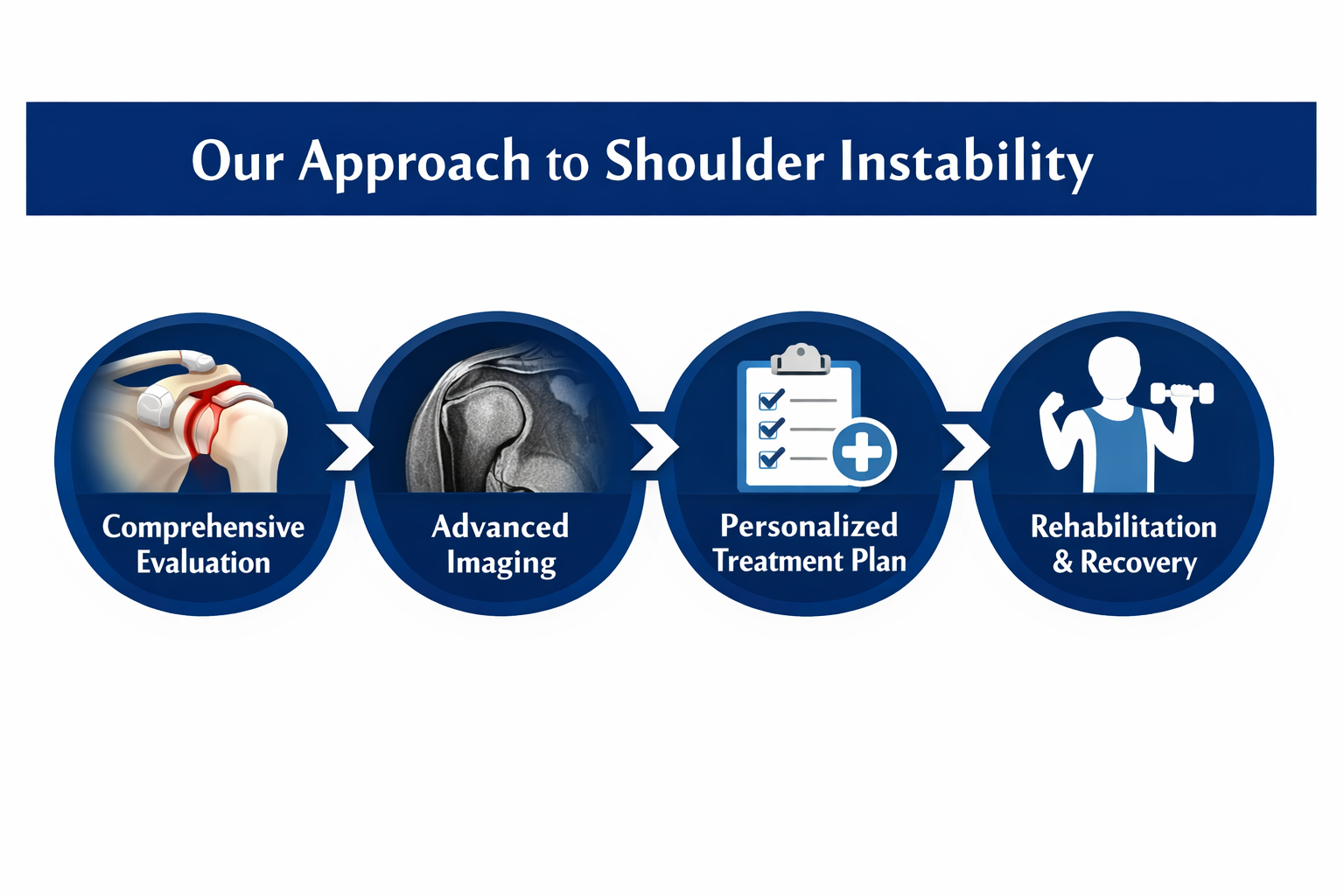
Our Approach
Structured Rehabilitation
Safe and effective recovery
Recovery
After Surgery
01:
0–4 Weeks (Early Phase)
- Sling support
- Pain control
- Gentle movements
02:
4–12 Weeks (Intermediate Phase)
- Gradual increase in motion
- Strengthening exercises
03:
3–6 Months (Advanced Phase)
- Functional training
- Return to sports
Most patients can return to sports when:
- Full strength is regained
- Shoulder stability is restored
- Rehabilitation is complete
Typical timeline: 4–6 months
Ignoring shoulder instability can lead to:
- Repeated dislocations
- Cartilage and bone damage
- Early arthritis
- More complex surgery later
Frequently Asked Questions
1. Will my shoulder dislocate again?
2. Do I need surgery after the first dislocation?
3. Is arthroscopic surgery safe?
Yes, it is a well-established and effective procedure.
4. How long will I wear a sling?
5. When can I return to sports?
6. Can physiotherapy alone fix instability?
It helps mild cases, but recurrent instability often needs surgery.
If your shoulder feels unstable or has dislocated, early treatment is key.
Get expert care and return confidently to your daily activities and sports.