
ACL Tear
Home > Treatments >
Anterior Cruciate Ligament Tear
Dr. Balamurugan J is a senior orthopedic surgeon and Clinical Lead – Orthopedics at Kauvery Hospital, Radial Road, and Founder of Dr Bala’s Ortho Clinic. With over 15 years of experience, he specializes in joint replacement, arthroscopy, and complex trauma care. Trained in India and further specialized in the United Kingdom, he brings international standards of precision and patient-focused care to his practice.
A Gold Medalist in Orthopedics with several indexed publications, he is committed to evidence-based, ethical, and outcome-focused care, helping patients restore mobility, independence, and quality of life.
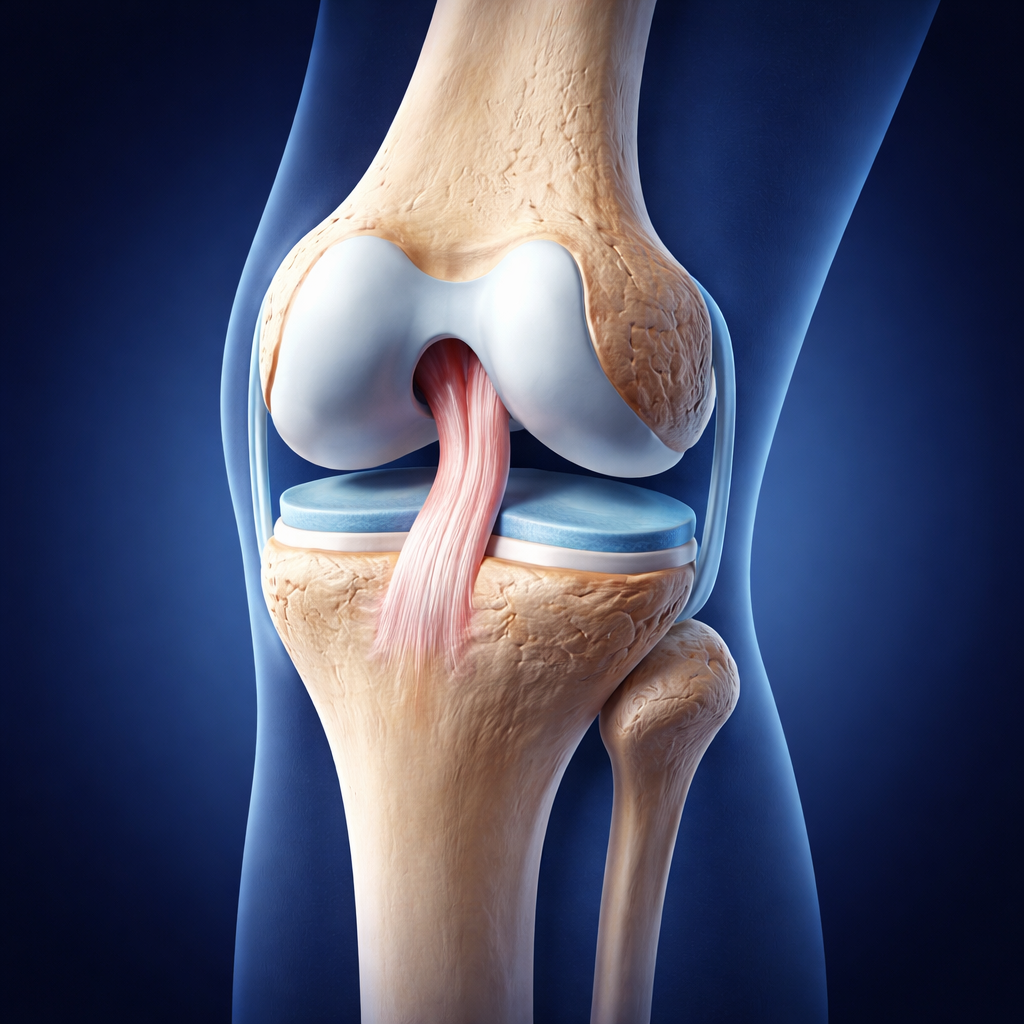
Anterior Cruciate Ligament Injury
Regain Stability. Return to Life.
Thigh bone (femur)
Shin bone (tibia)
Its main functions:
- Stabilizes the knee during movement
- Prevents forward slipping of the tibia
- Controls twisting and rotational movements
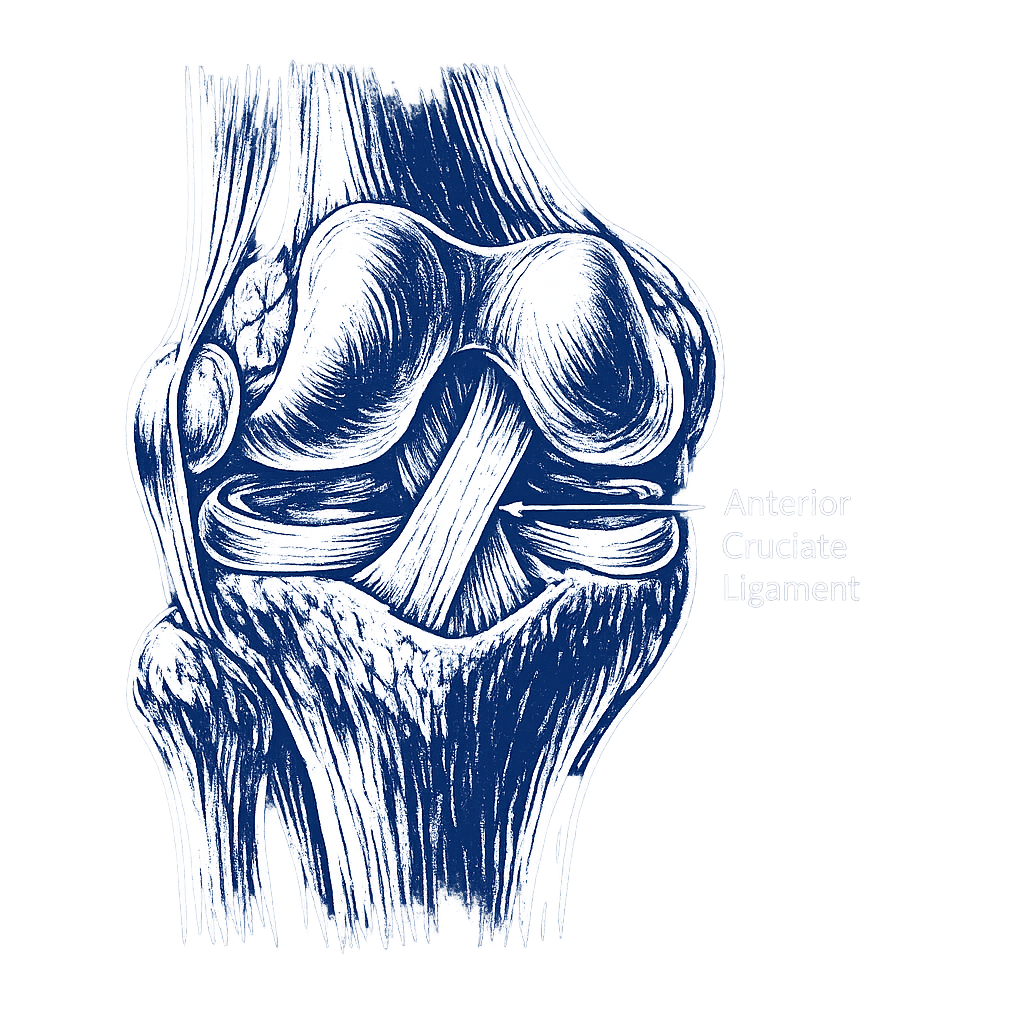
How Does an ACL Tear Occur?
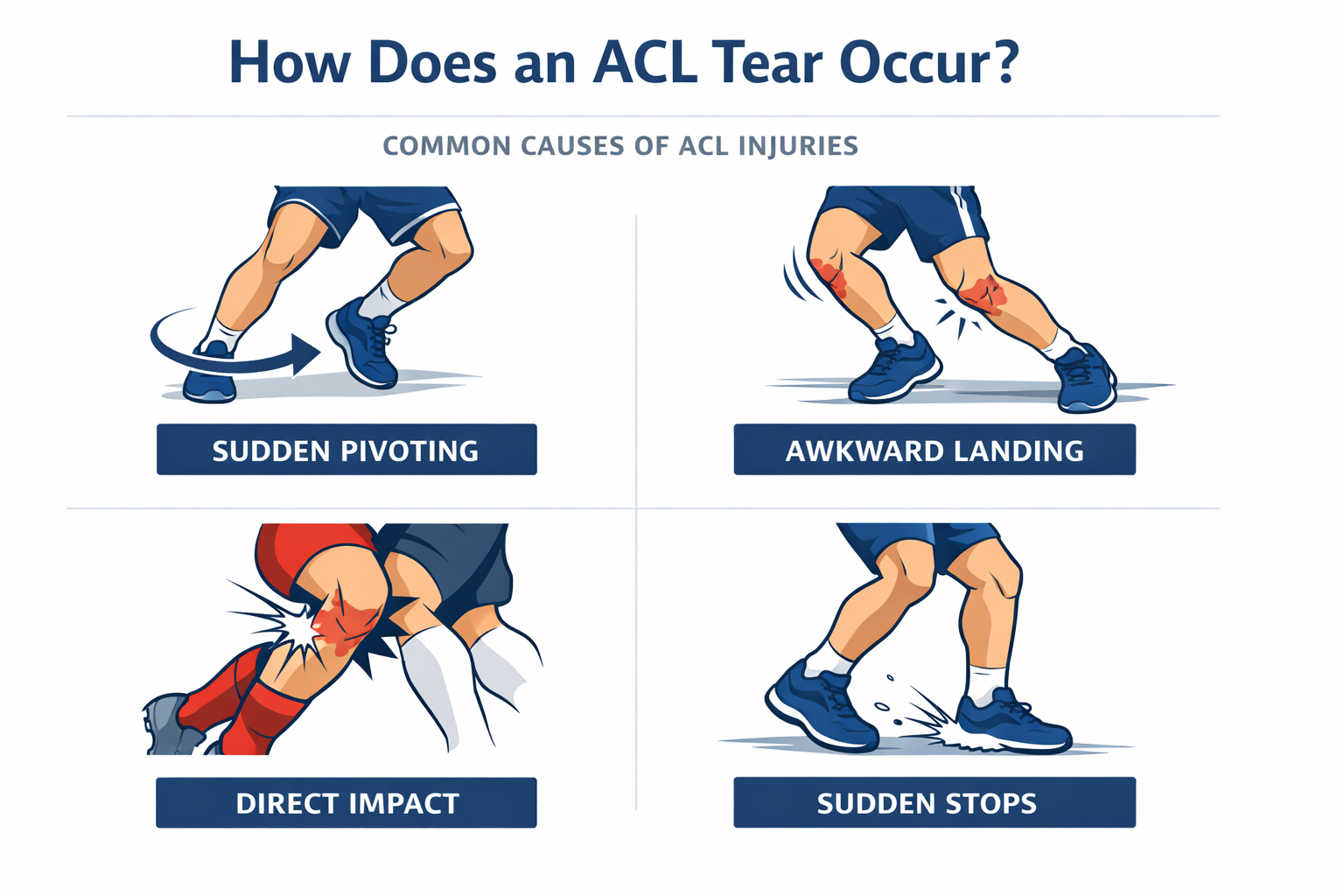
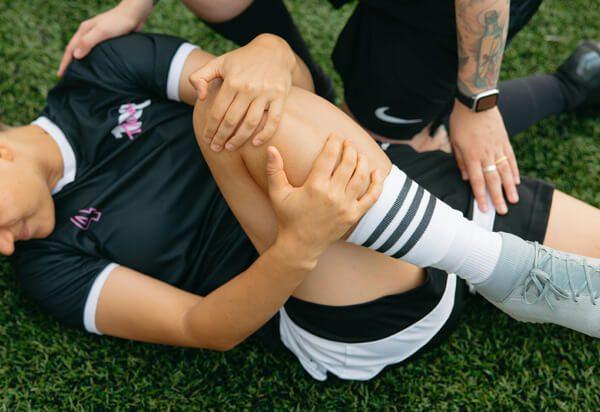
ACL injuries usually happen due to sudden, forceful movements such as:
- Twisting or pivoting quickly
- Sudden changes in direction
- Awkward landing from a jump
- Direct impact to the knee
Symptoms of ACL Tear
You may notice:
- A sudden “pop” sensation at the time of injury
- Immediate pain and swelling
- Knee instability or “giving way”
- Difficulty walking or bearing weight
- Reduced range of motion
- Accurate diagnosis is essential for effective treatment.
- Specialized tests to assess knee stability
Imaging
- MRI scan – confirms ACL tear and associated injuries
- X-ray – rules out fractures or alignment issues
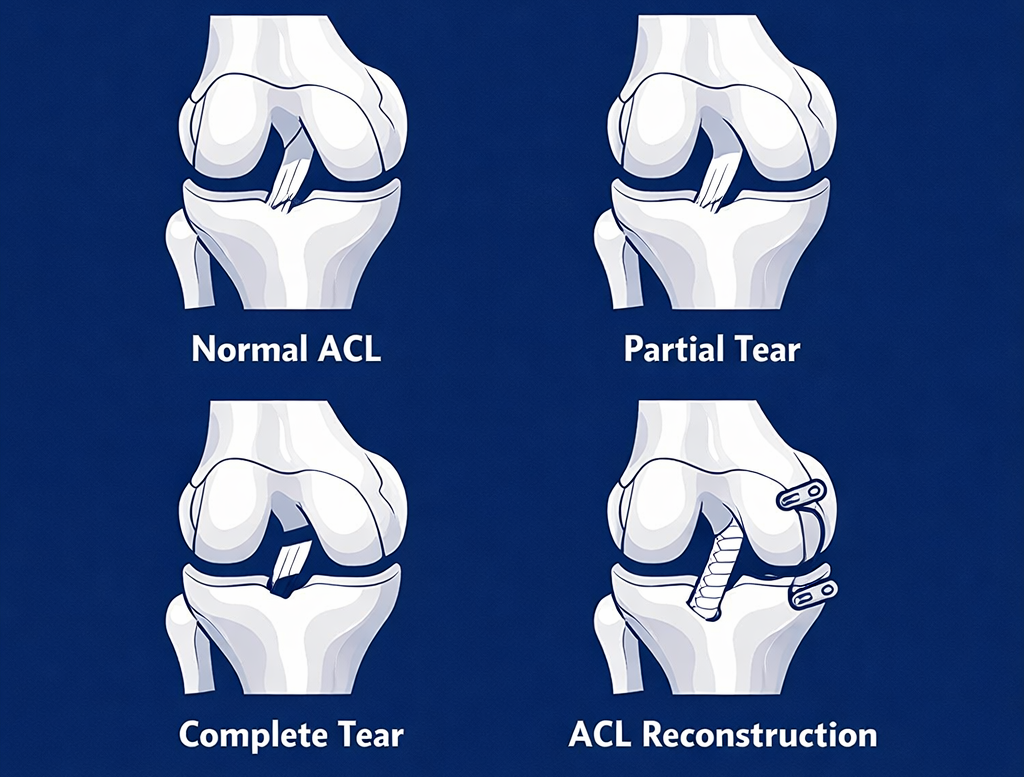
Types of ACL Injury
- Partial tear
- Complete tear
- ACL tear with meniscus injury
- ACL tear with cartilage damage
Treatment Options
Recovery Timeline After
ACL Surgery
01:
Early Phase (0–2 weeks)
- Pain & swelling control
- Gentle movements
- Partial weight-bearing
02:
Intermediate Phase (2–6 weeks)
- Improved mobility
- Muscle strengthening
- Gradual walking
03:
Advanced Phase (6 weeks – 6 months)
- Strength & endurance training
- Sport-specific rehab
04:
Return to Sports
- Typically 6–9 months, based on recovery
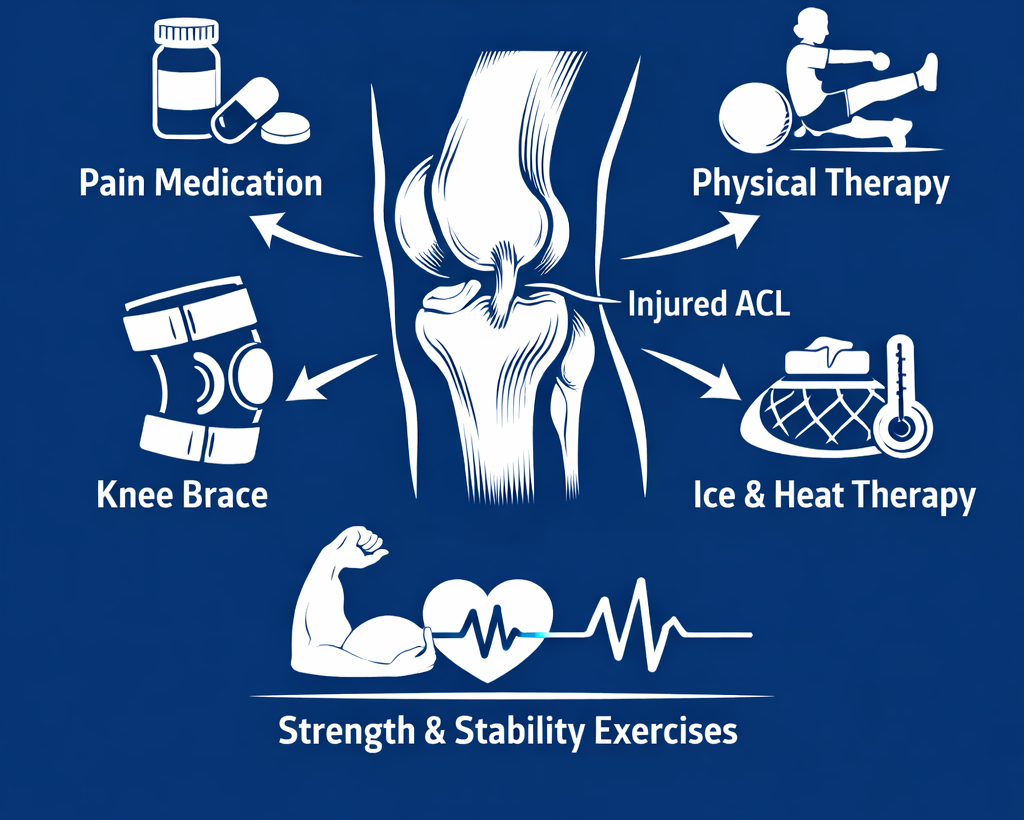
Suitable for:
- Partial tears
- Low-activity individuals
- Stable knees
Includes:
- Rest and activity modification
- Knee bracing
- Physiotherapy (muscle strengthening)
- Pain management
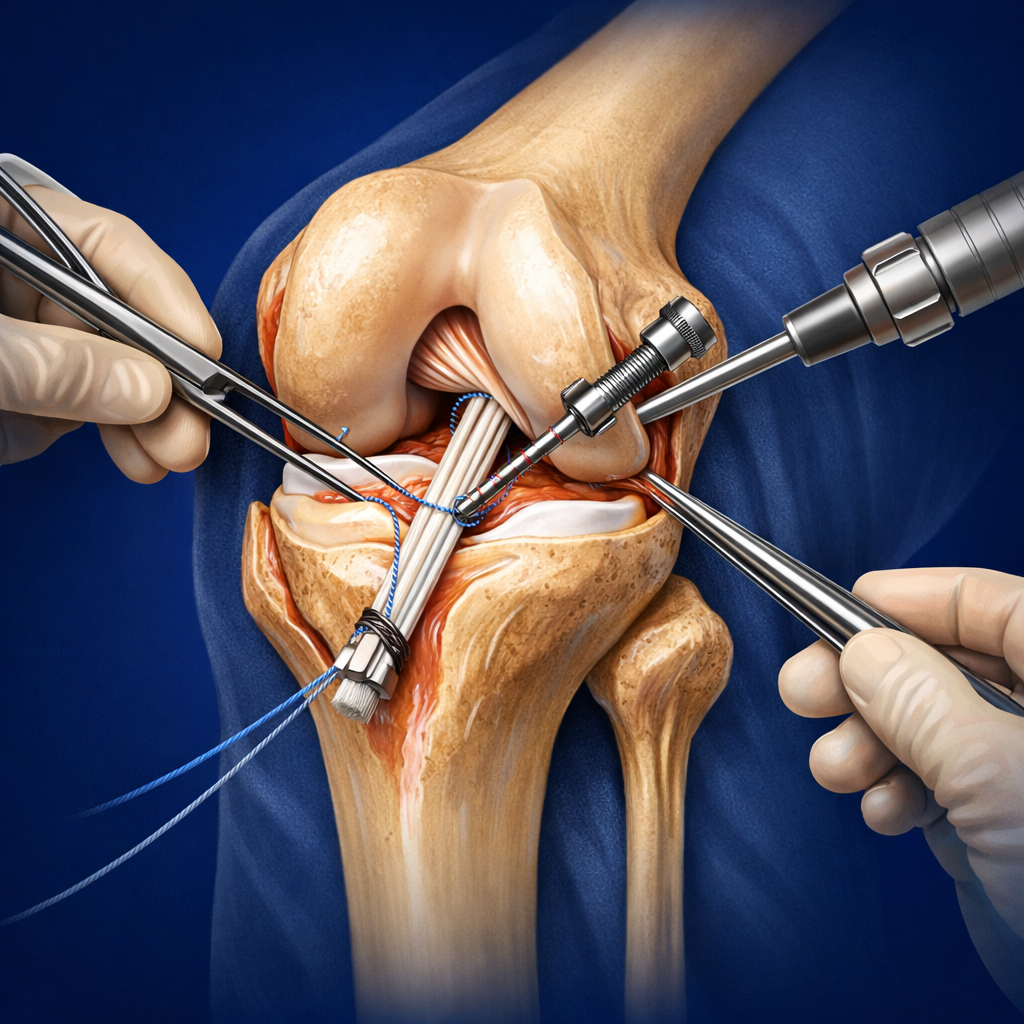
Recommended for:
- Complete ACL tears
- Athletes and active individuals
- Recurrent instability
The torn ligament is replaced with a graft, commonly using:
- Hamstring tendon
- Patellar tendon
- Quadriceps tendon
Performed using arthroscopy
Minimal scars
Faster recovery
Accurate Assessment
Focus on:
- Proper alignment
- Ligament balance
- Stability
- Natural knee feel
Strength training
Range of motion exercises
Balance & coordination
Gradual return to sports
Benefits of ACL Reconstruction
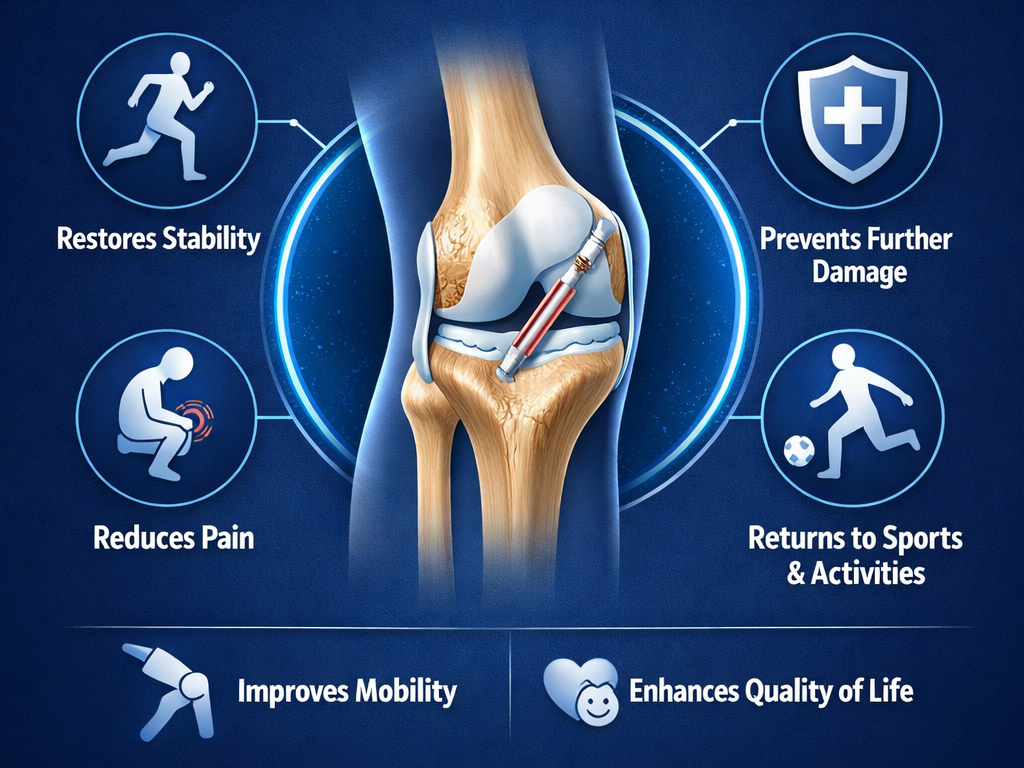
- Restores knee stability
- Prevents further joint damage
- Enables return to sports
- Improves confidence in movement
- Reduces long-term complications
Frequently Asked Questions
1. Can an ACL tear heal on its own?
Complete tears usually do not heal naturally. Partial tears may improve with rehab.
2. Is surgery always required?
3. How long does surgery take?
Typically 1–2 hours.
4. Is it painful?
5. When can I walk?
6. When can I return to sports?
7. What happens if untreated?
- Repeated instability
- Meniscus damage
- Early arthritis
8. Will there be scars?
Very minimal, due to keyhole (arthroscopic) surgery.