
Meniscus Injuries
Home > Treatments > Meniscus Injuries
Meniscus Injuries
Causes & Treatment
Dr. Balamurugan J is a senior orthopedic surgeon and Clinical Lead – Orthopedics at Kauvery Hospital, Radial Road, and Founder of Dr Bala’s Ortho Clinic. With over 15 years of experience, he specializes in joint replacement, arthroscopy, and complex trauma care. Trained in India and further specialized in the United Kingdom, he brings international standards of precision and patient-focused care to his practice.
A Gold Medalist in Orthopedics with several indexed publications, he is committed to evidence-based, ethical, and outcome-focused care, helping patients restore mobility, independence, and quality of life.
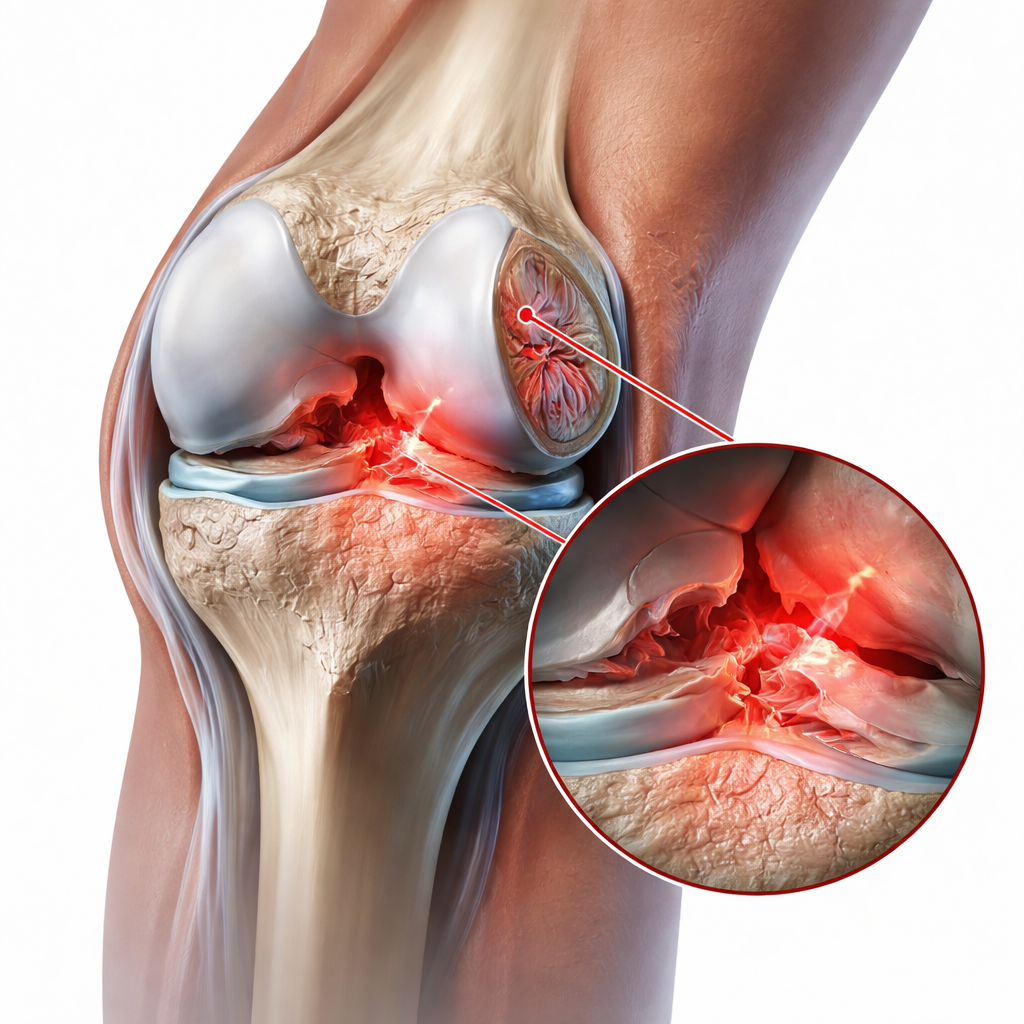
Meniscus injuries are one of the most common causes of knee pain, affecting both active individuals and older adults. Early diagnosis and the right treatment can help preserve knee function and prevent long-term damage.
At Dr. Balamurugan’s Hip & Knee Clinic, our focus is on meniscus preservation, using advanced arthroscopic techniques and personalized rehabilitation programs.
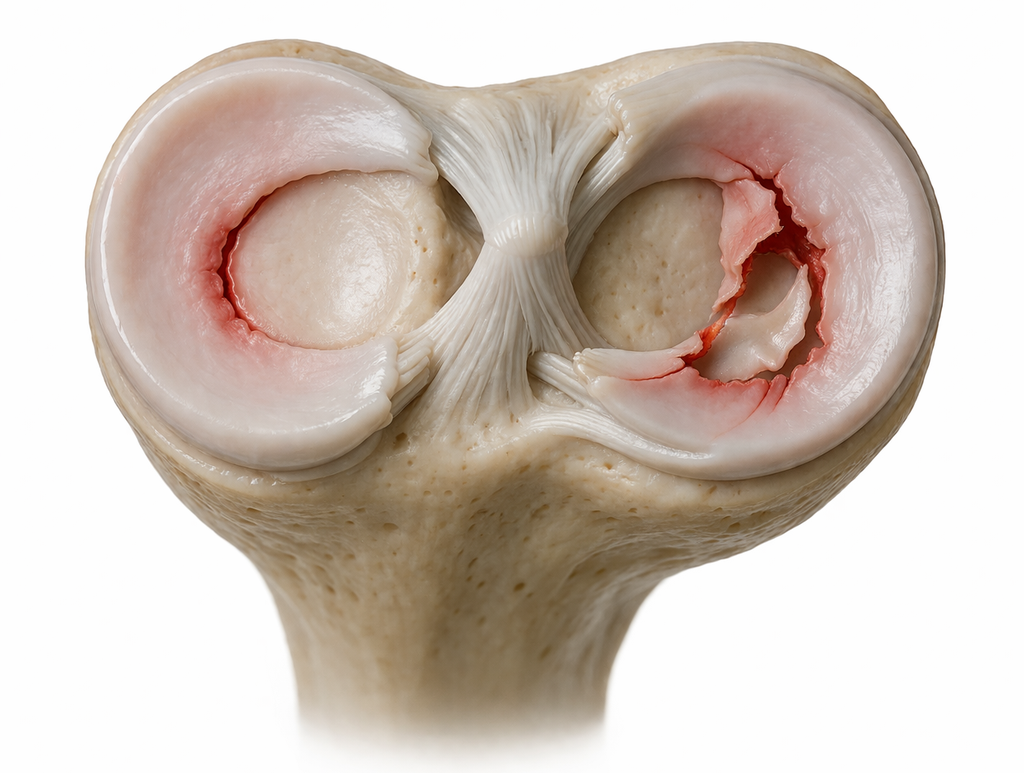
The meniscus is a C-shaped cartilage in your knee joint. Each knee has two:
- Medial meniscus – inner side
- Lateral meniscus – outer side
Functions of the Meniscus
Acts as a shock absorber

Distributes body weight evenly

Enhances joint stability

Protects cartilage from wear and tear
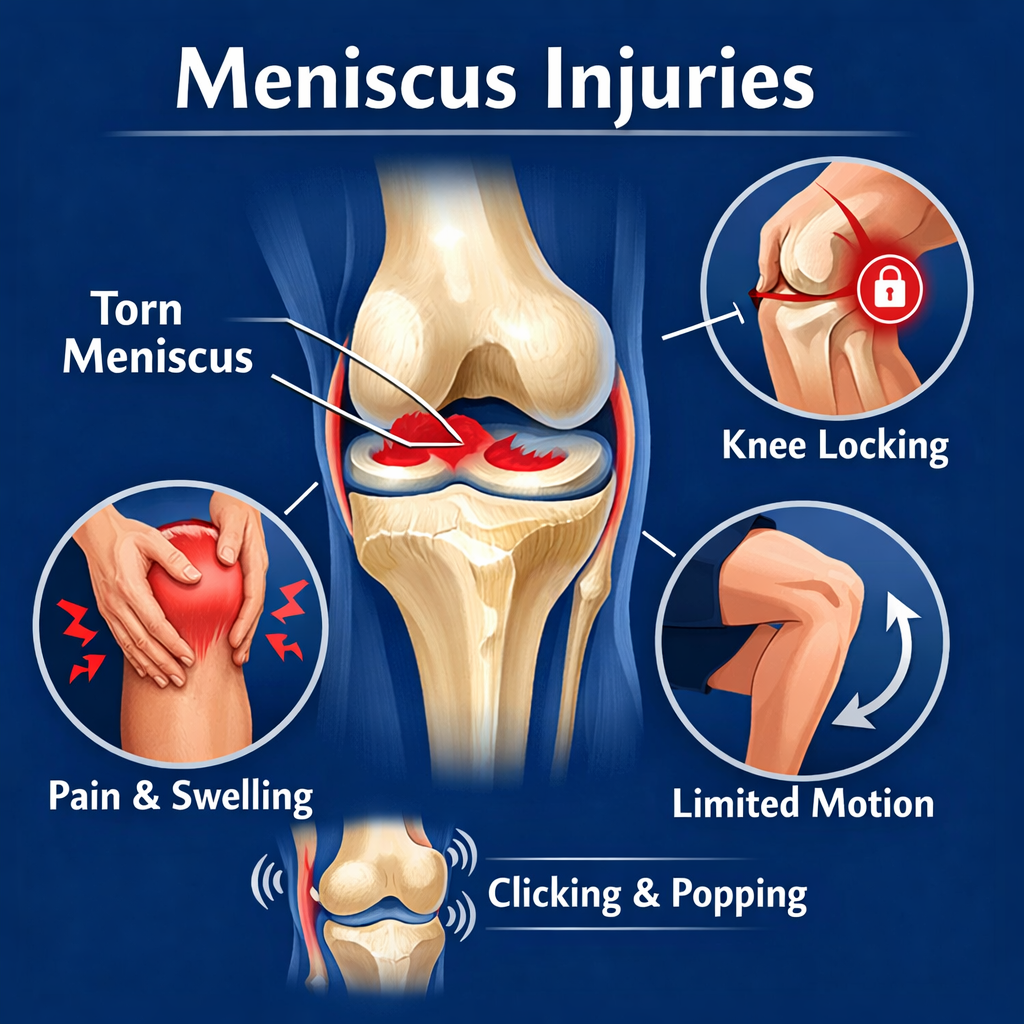
In Younger Individuals
- Sports injuries
- Twisting or pivoting movements
- Sudden direction changes
In Older Individuals
- Degenerative wear and tear
- Minor movements causing tears due to weakened cartilage
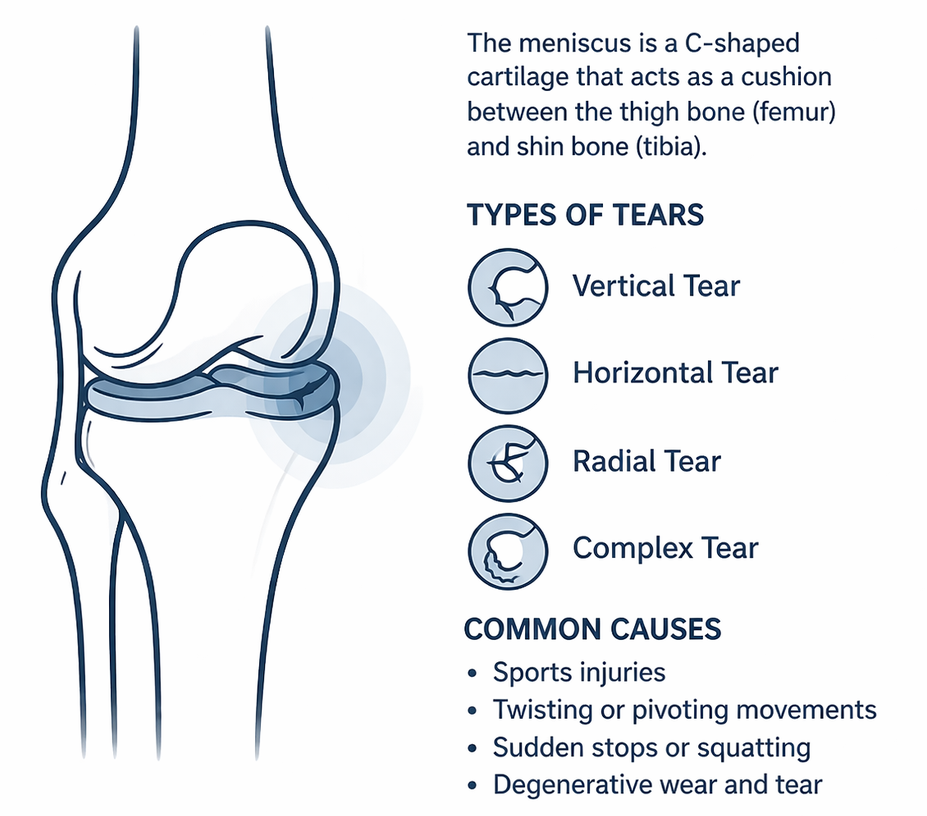
- Longitudinal tear
- Bucket handle tear
- Radial tear
- Complex tear
- Degenerative tear
The type and location of the tear determine the best treatment approach.
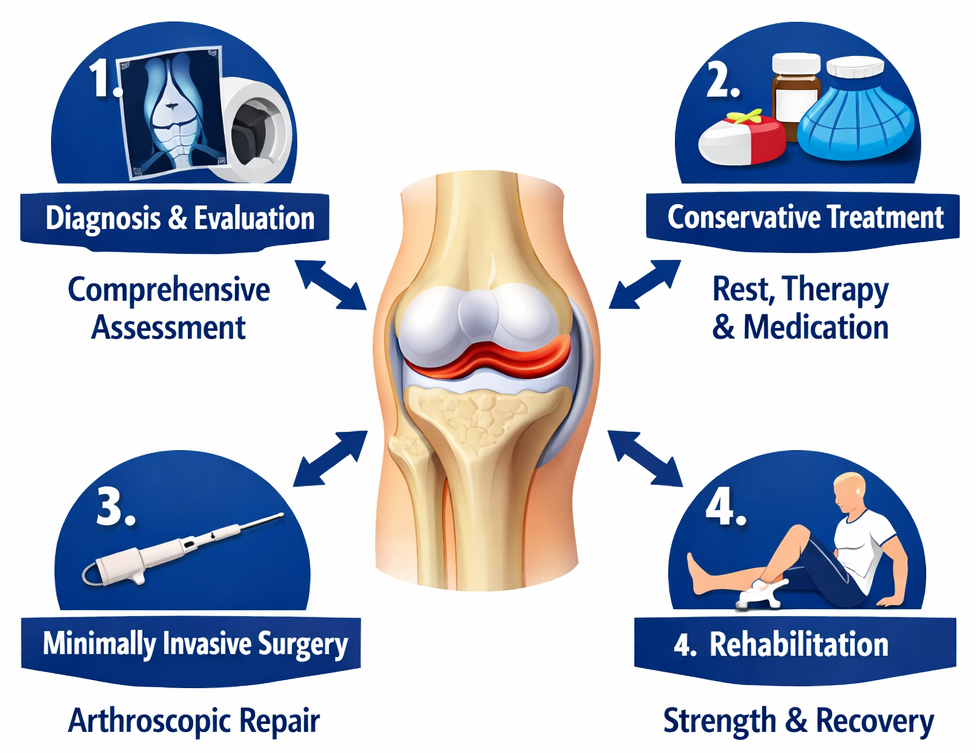
- Joint line tenderness
- Locking or restricted movement
- MRI scan – confirms tear type and associated injuries
- X-rays – helps rule out arthritis or bone problems
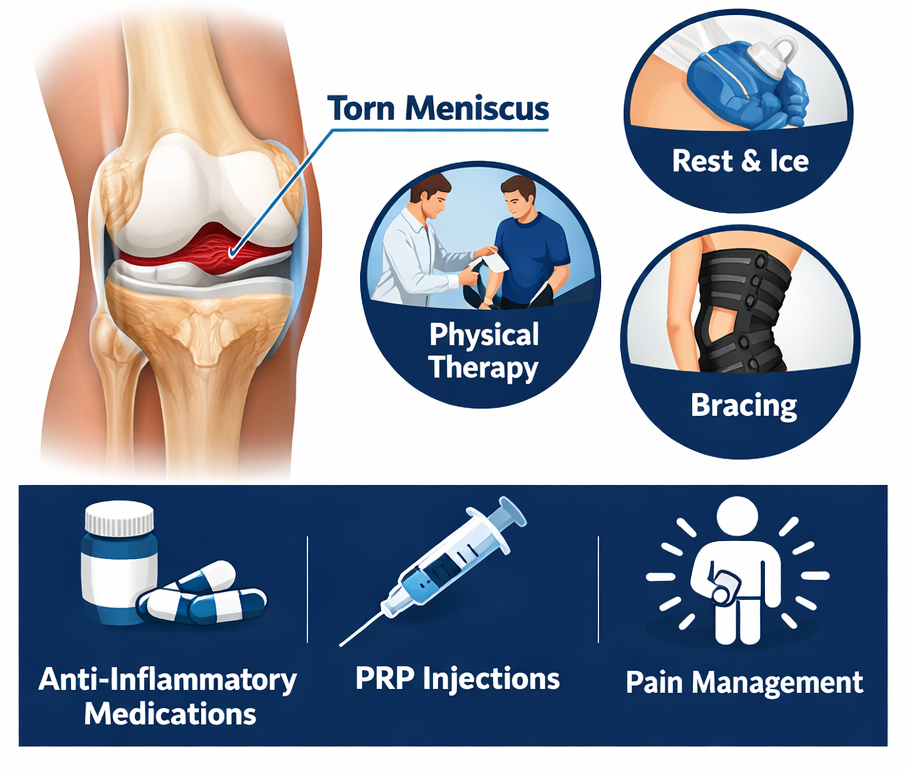
Treatment depends on:
- Age
- Activity level
- Tear type and location
- Associated ligament injuries
Suitable for:
- Small tears
- Degenerative tears
- Mild symptoms
Includes:
- Rest and activity modification
- Ice and medications
- Physiotherapy
- Strengthening exercises
Arthroscopic Surgery
- Tear is stitched and preserved
- Maintains natural knee function
- Reduces arthritis risk
- Requires longer healing time
- Damaged portion is removed
- Faster recovery
- Used when repair is not possible
Based on your lifestyle, age, and goals
Focused on:
- Restoring movement
- Strengthening muscles
- Preventing re-injury
- Limited weight bearing initially
- Gradual return to movement
- Return to sports: 3–6 months
After Partial Meniscectomy
- Walking within days
- Faster recovery
- Return to normal activity: 4–6 weeks
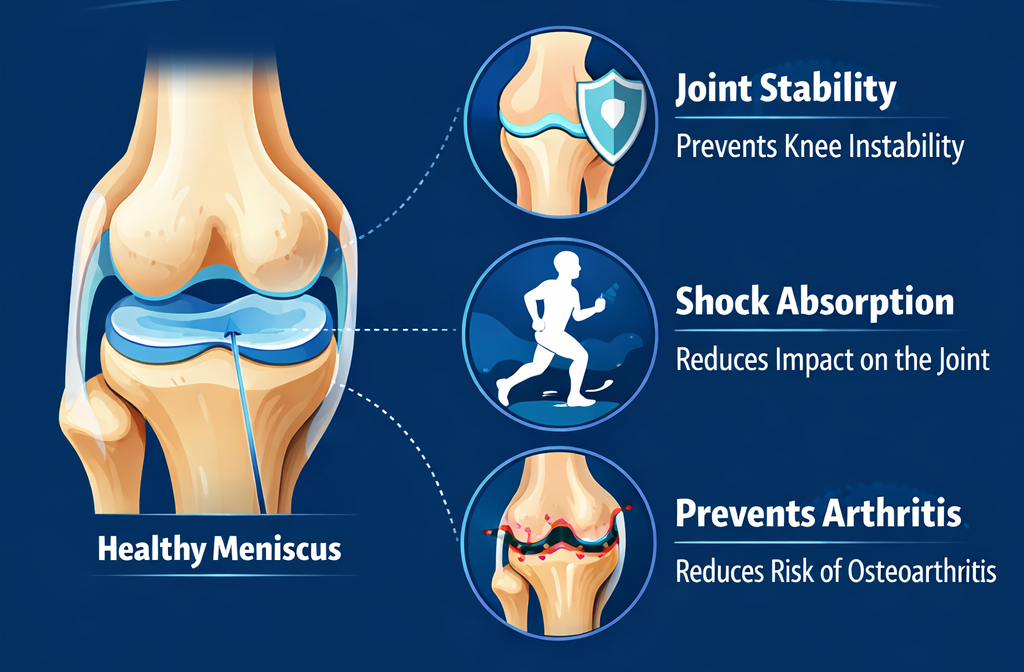
Removing the meniscus can lead to:
- Increased stress on joint cartilage
- Early osteoarthritis
- Long-term knee problems
That’s why preserving the meniscus is always our priority whenever possible.
Frequently Asked Questions
1. Can a meniscus tear heal on its own?
2. Is surgery always required?
3. What happens if I ignore a tear?
- Persistent pain
- Knee locking
- Cartilage damage
- Early arthritis
4. How long does surgery take?
Usually 30–60 minutes
5. Is arthroscopy painful?
6. When can I walk after surgery?
- Meniscectomy: within a few days
- Repair: limited weight bearing initially
7. When can I return to sports?
- Meniscectomy: 4–6 weeks
- Repair: 3–6 months
8. Will I have scars?
Only small keyhole scars
9. Is physiotherapy necessary?
Yes, it is essential for recovery, strength, and preventing future injuries
If you’re experiencing knee pain, locking, or difficulty moving, don’t ignore it.
Consult Dr. Balamurugan for expert diagnosis and advanced meniscus care focused on preserving your knee health.